The tradition
Tantric massage explained: the approaches, and why no two are alike
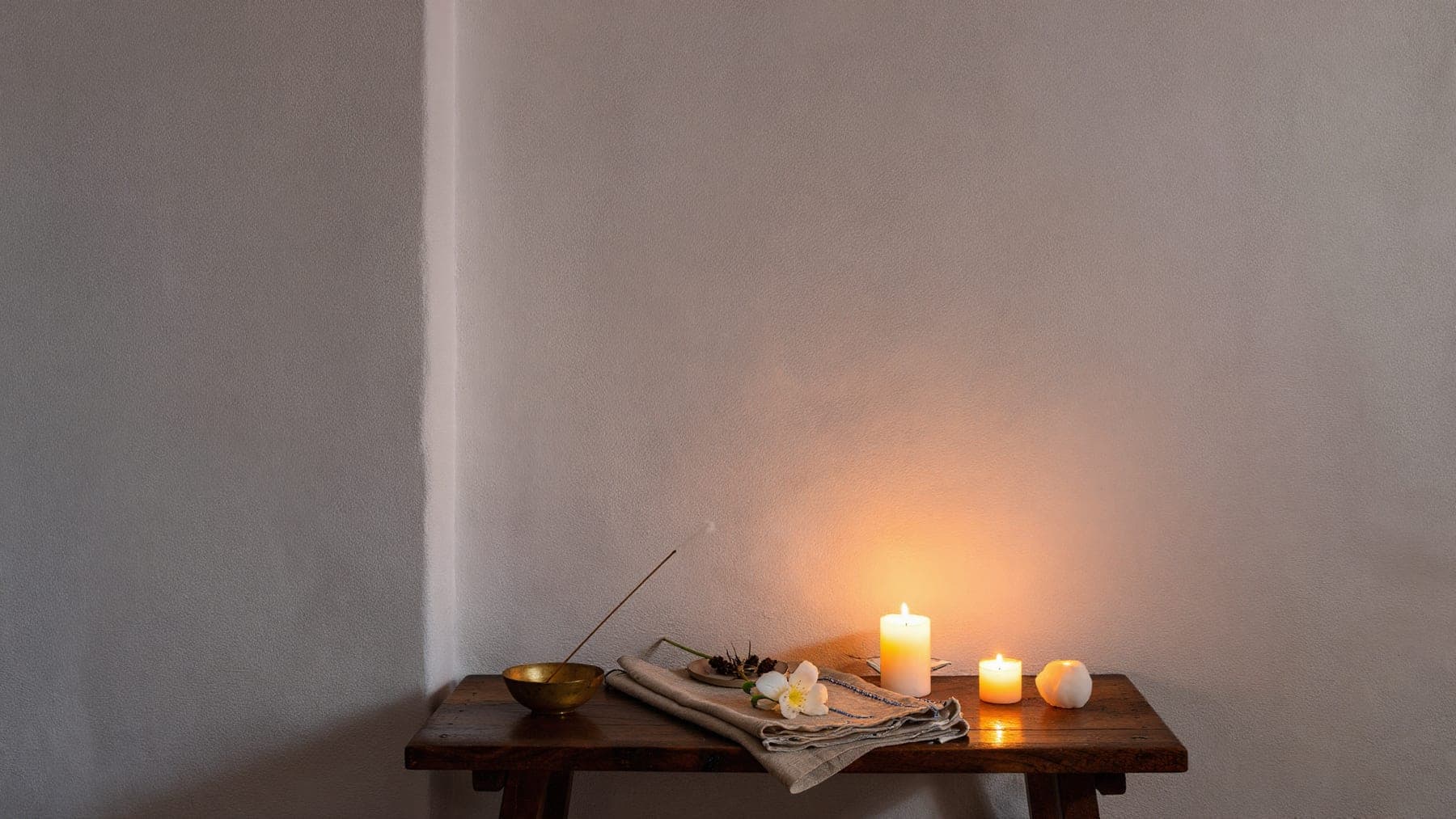
Few words carry as much noise as this one. Tantra is a contemplative tradition older than most of the religions we argue about — a body of practices built on attention, breath, and the idea that the body is not an obstacle to the sacred but the way in. Massage borrowed that frame: slow the breath, hold the attention, treat the body as something worth honouring rather than fixing.
What follows is what that means in practice — the approaches you will actually find, and why a serious session can never be a routine.
What it is, and what it is not
Start with the boundary, because it saves everyone time. A tantric massage is bodywork: a therapist, a table, oil, breath and a defined intention. It is not a sexual service. Where it differs from a sports or relaxing massage is not in what is touched but in how — the pace, the continuity of contact, and the fact that your breath, not a clock, sets the tempo.
- It is slow. Not slow as a style choice — slow because the nervous system does not let go on command.
- It is whole-body. Conventional massage treats regions. This tradition treats continuity: the strokes connect areas rather than isolating them, which is why people describe it as feeling more like one long movement than a sequence.
- It is led by breath. Yours. The therapist follows it and works with it, which is also why the same session can feel completely different on a different day.
- It is explicit about consent. Everything that will happen is agreed before it starts. Anything not agreed does not happen.
The main approaches practised today
There is no single school, and anyone who tells you otherwise is selling something. What exists is a handful of lineages and modern adaptations, most practitioners drawing on more than one.
- Ritual, ceremony-based. The oldest frame: an altar, an intention spoken at the start, a defined opening and closing. The ceremony is not decoration — it marks the session as separate from the day around it, which is most of what lets people arrive.
- Energetic and chakra-oriented. Works along the body’s energy centres, moving from the base upward. Long, ascending strokes and sustained holds, with the intention of moving what is stuck rather than releasing a specific muscle.
- Breath-led, kundalini-influenced. Active breathing, sometimes sound and movement from the person receiving. The most intense of the approaches emotionally, and the one that most needs an experienced pair of hands — things surface.
- Sensory and continuous, Esalen-influenced. Californian in origin: very long, unbroken strokes across the whole body, minimal interruption of contact. Profoundly calming for an overloaded nervous system, and the gentlest entry point.
- Ayurvedic-influenced. Warm oil, rhythm, and a reading of your constitution before starting. More structured, more physical, closer to what most people already recognise as massage.
- Somatic and trauma-informed. The most recent adaptation: consent checked continuously, pauses built in, time reserved at the end for integration. The default choice when there is history in the body.
Why no two sessions are alike
This is the part that surprises people who arrive expecting a menu item. The tradition gives a frame, not a choreography. Within that frame, five things change every single time:
- The state you arrive in. Two hours of sleep and a long flight is a different body from a rested Tuesday. The same opening does not work on both.
- What you have consented to. The boundaries you set define the session. They are yours to draw and yours to move — and they change what is possible inside the hour.
- Your breath. It sets the tempo. A held breath asks for something different than a deep one, and the therapist works to what the breath is doing, not to a plan.
- What surfaces. Slow, sustained contact tends to bring things up — sometimes tiredness, sometimes emotion. Where the session goes next depends on what appears.
- The intention you bring. Rest, presence, recovery, celebration. Naming it at the start genuinely changes the hour, which is why the ceremony exists.
A ritual is not a routine performed slowly. It is the same frame, filled by whoever walks in.
What a serious session looks like
- A conversation before the hands. What you are looking for, what you do not want, anything the therapist should know.
- Boundaries written down. Not a verbal understanding — something you read and agree to before anything begins.
- A prepared space. Warmth, low light, clean linen, no phone. The room does half the work.
- No clock pressure. Rushing the closing undoes the hour that came before it.
- Time to come back. Ten quiet minutes at the end are part of the session, not an afterthought.
How this works in Ibiza
At The Ibiza Touch the four rituals are built on this ground and each one leans on a different approach — one ceremonial and almost silent, one continuous and sensory, one rhythmic and physical, one designed purely for recovery. You can read what each of them does on the rituals page, and everything happens in your own room, at your hour.
If you are not sure which one your body is asking for, that is the normal state of affairs — tell me what your week looks like and I will tell you honestly. And if you already know, choose your ritual and your hour.
Services exclusively for adult women aged 18+, strictly by appointment. By booking you confirm you are over 18. A sacred, non-sexual space for deep relaxation and conscious touch.
← All the notes